
GRC FAQFrequently asked questions
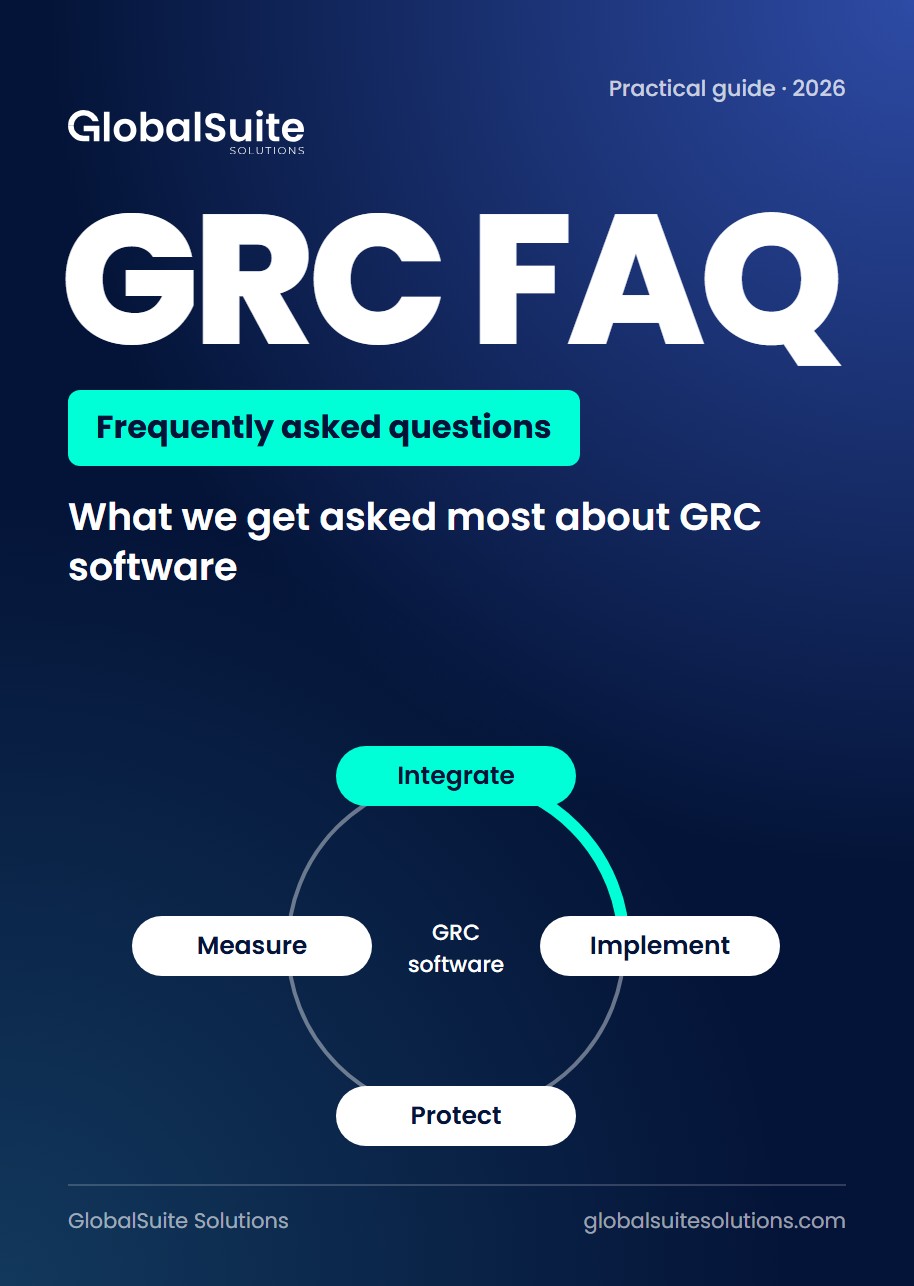
What we get asked most about GRC software
Plain answers on integrations, implementation, return, risk and data security in GlobalSuite®.
Download the guidePlatform
All-in-one GRC platform
AI built into every module
The common engine behind every module
GRC tailored to your industry
Connect GlobalSuite® to your tools
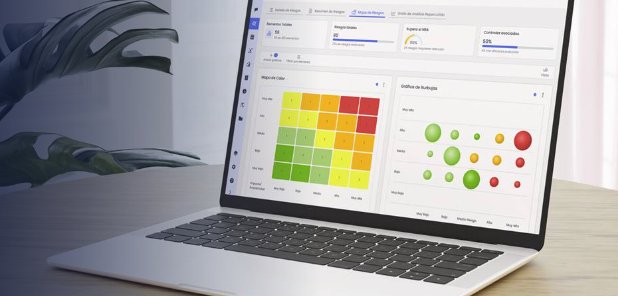
Standards and frameworks
ISO standards
Regulations
Document once, comply with all.
Resources
 Success storyEMT Madrid centralises its data protection management in GlobalSuite®Read the story

 G2 reviewsWhat the people who use GlobalSuite® every day say about itRead reviewsA customer? Leave a review
Popular searches
Practical guide · 2026
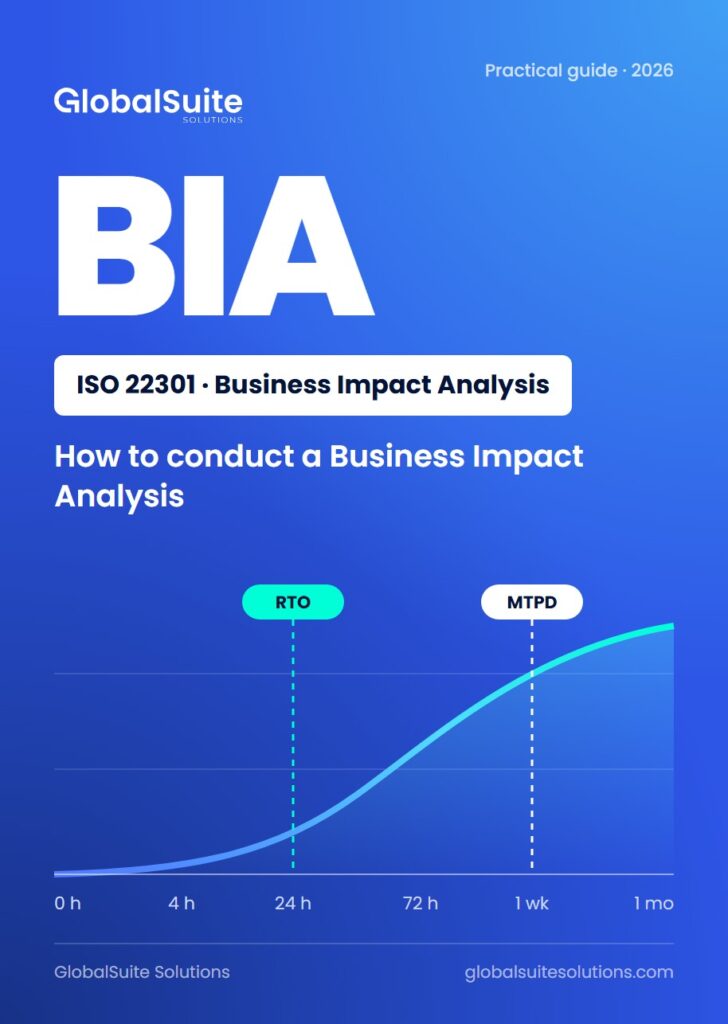
ISO 22301 · Business Impact AnalysisHow to find your most critical processes and set the recovery values your business continuity plan is built on.
Download the free guideThe Business Impact Analysis (BIA) shows which processes are most critical to your organisation and which resources support them. It is the starting point of a Business Continuity Management System and the basis of any continuity plan.
This guide explains what a BIA is, how to carry it out step by step and how to use its results to prepare the continuity plan, following the approach of ISO 22301. It is for continuity coordinators and the teams taking part in a first BIA or reviewing one they already have.
The BIA paves the way for the rest of the ISO 22301 requirements. The next step is to analyse the risks of the assets that support the critical processes.
Plain answers on integrations, implementation, return, risk and data security in GlobalSuite®.
Download the guide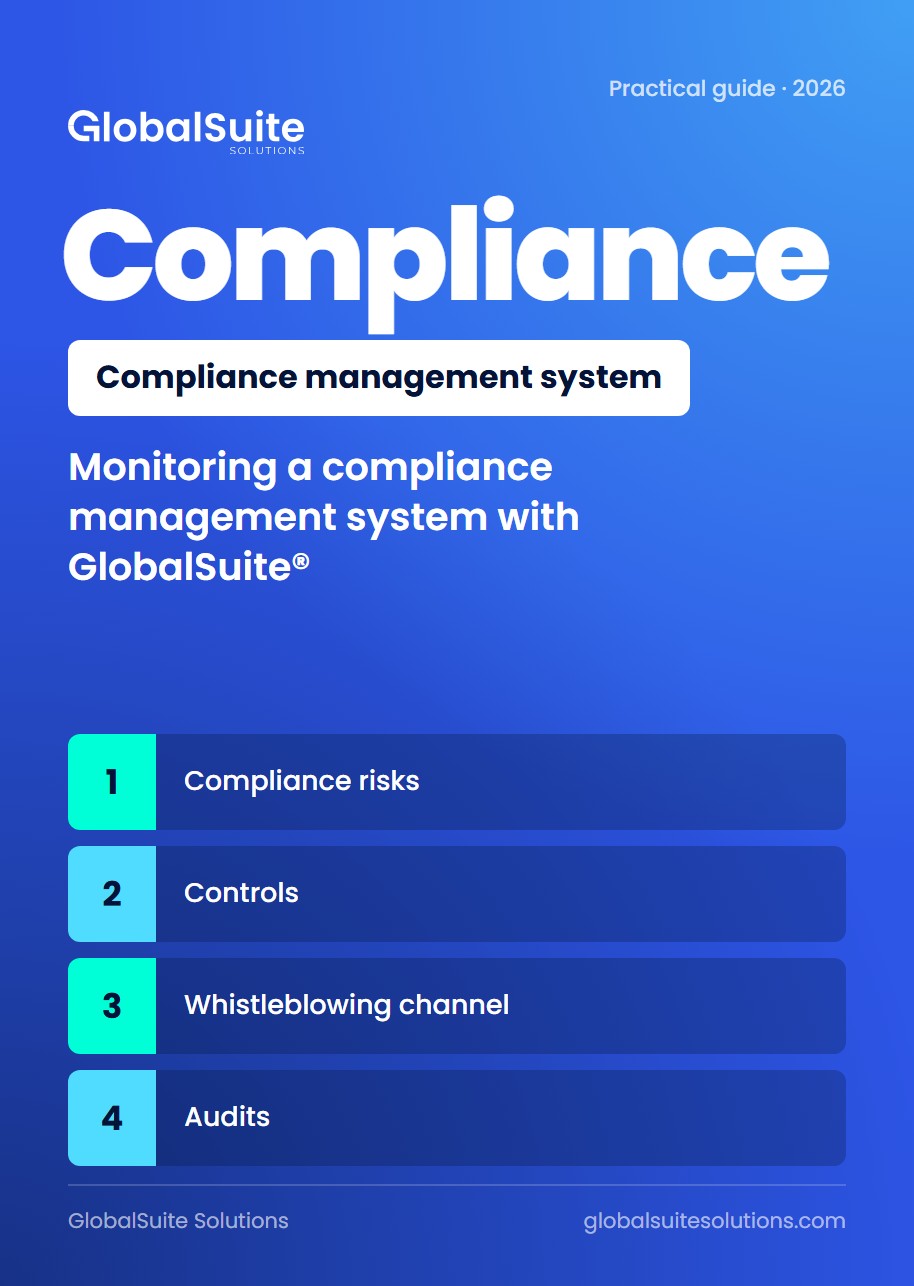
Every requirement of a compliance management system, from scope to audit, run in GlobalSuite®.
Download the guide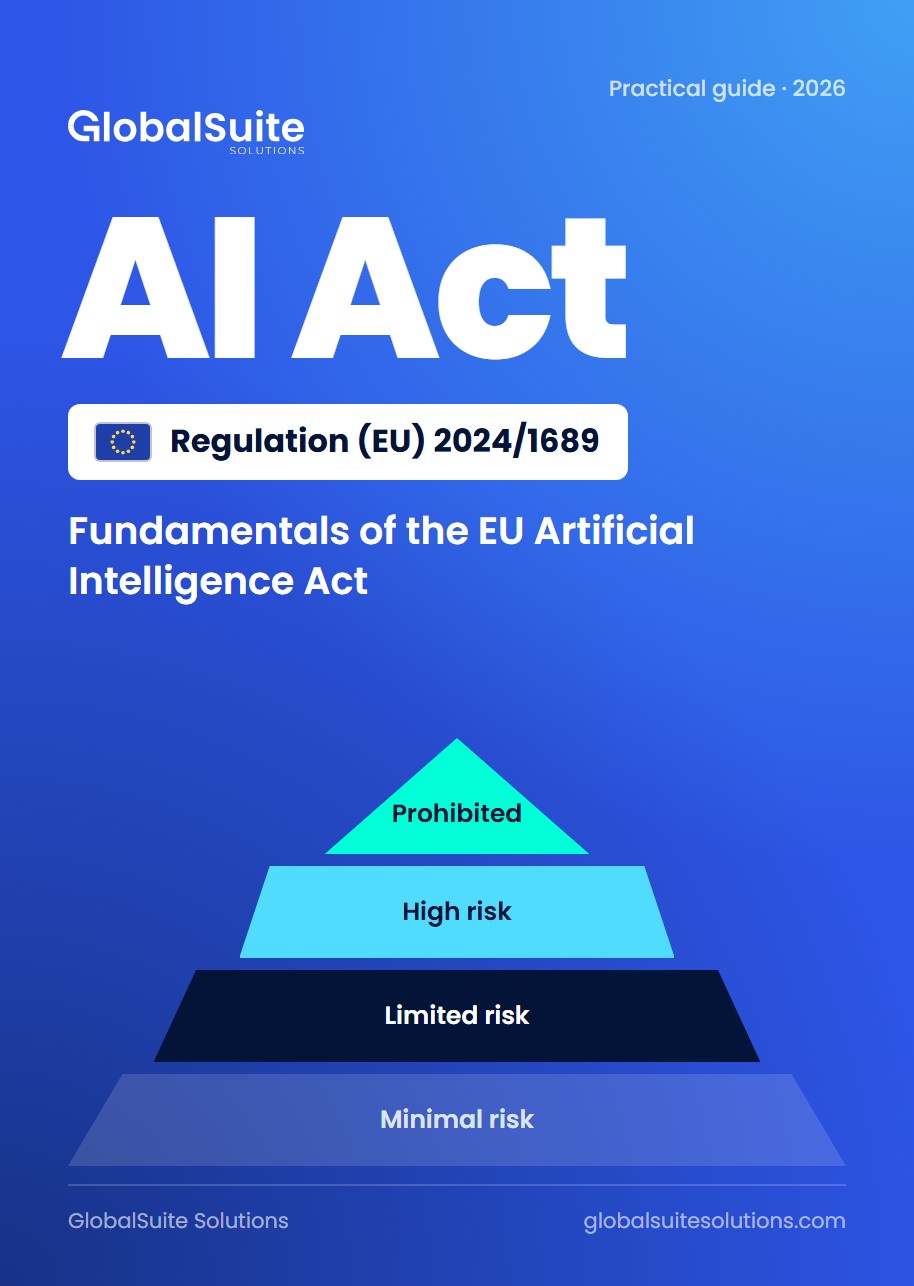
Deadlines, roles, risk categories, fines and first steps to prepare for the AI Act.
Download the guide